Can spider mites kill or harm my houseplant?
Spider mites penetrate the leaf surface and remove the cell content. The result of spider mite infestation are tiny dots or stippling that give the leaves a bronze, chlorotic, grayish mottled look. Eventually the leaves will start to turn yellow/brown along the veins and drop. The foliage starts to wilt and general health of the plant declines. In severe infections you will also see fine webbing on the plant.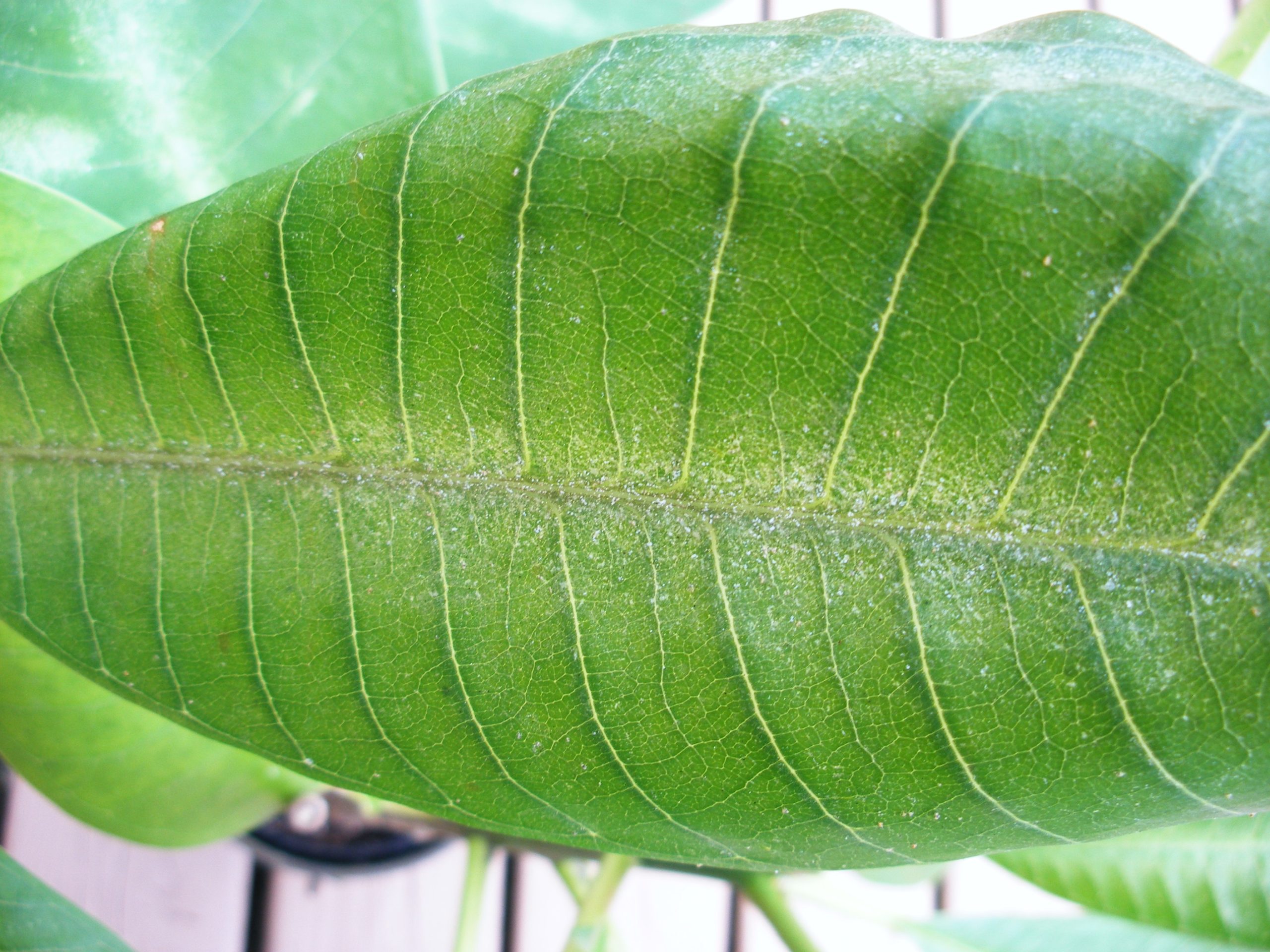
Test for spider mites
Take a white sheet of paper, place it on the underside side of the leaves and tap on the leaf. If you see tiny pindots moving on the paper, then you have spider mites.
Isolate your plant from all others because they reproduce rapidly (50-200 eggs in 7-14 days depending on temperature) and spread easily. If the plant is heavily infested then it should be discarded. It can be a difficult insect to control.
To control infestation
Spray the plant with insecticidal soap every 3-5 days for two weeks. Be sure to thoroughly cover the plant spraying the underside of the leaves. If insecticidal soap does not do the trick try Neem oil. An alcohol solution made of 4 parts of water to 3 parts of rubbing alcohol with a squirt of dish detergent can also work as a contact spray.
Spider mites can winter over in the soil. They love the hot, dry environment that is indoors during the winter and will attack plants that are stressed and weakened due to poor environmental conditions.
The solution is to alter the environment and sanitation-remove any infected dropped leaves. Increased humidity around the plant and washing the plant repeatedly with a forceful spray will knock off the mites and eggs which will help curtail the problem effectively but not eliminate it.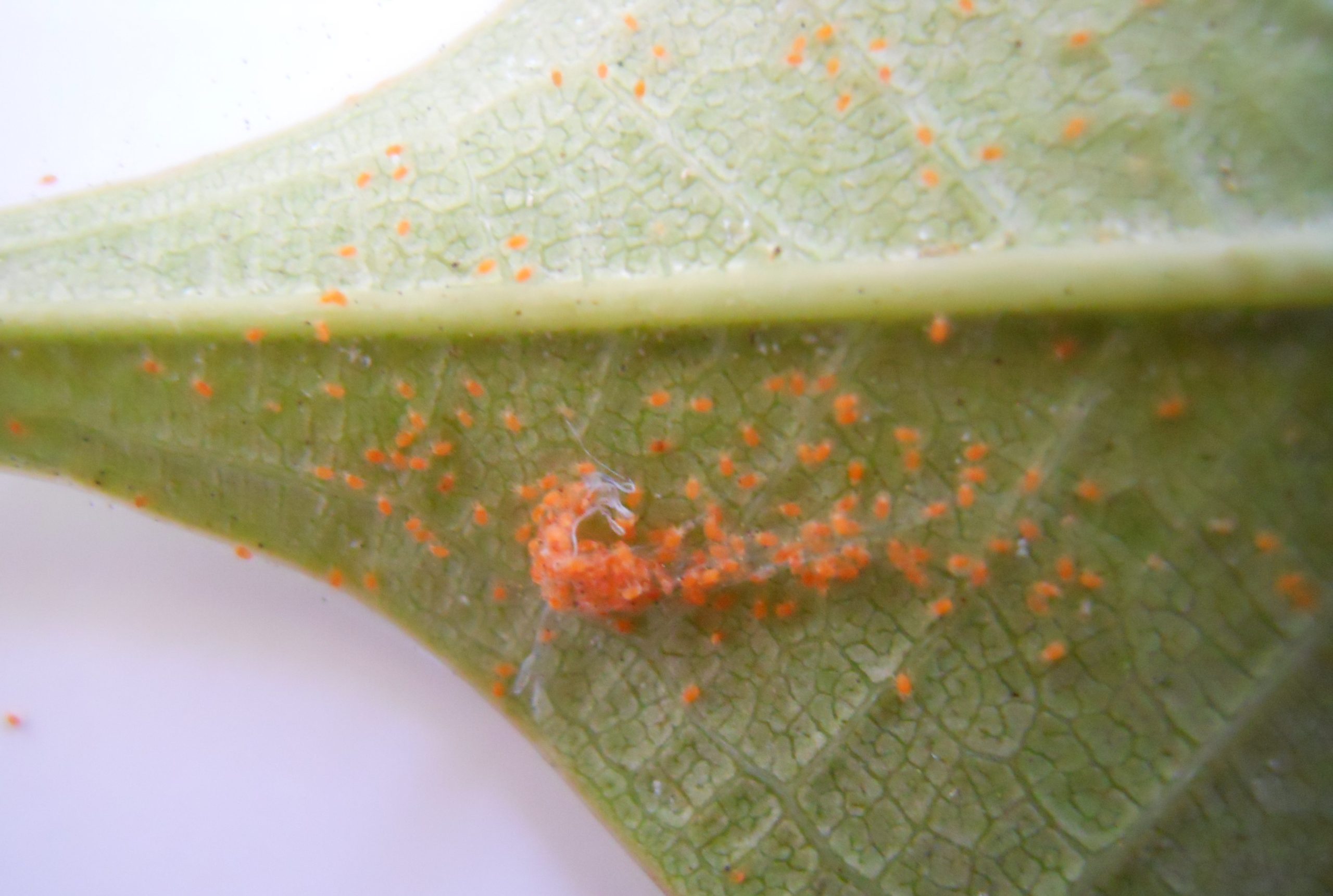
A note about insecticidal soap: A study at (ifas.ufl.edu) has found that some plants are sensitive to insecticidal soap causing phytotoxicity. The plant will show symptoms of yellow/brown spotting, burned tips, yellow or brown scorching leaf edges.
Some plants sensitive to insecticidal soap are ; gardenia, lantana, nasturtium, Easter lilies(when forming buds) , maidenhair fern and crown of thorns. In this case use a miticide for houseplants. Follow manufacturer label and be sure it is safe to use indoors.
I current have a mandevilla that is indoor for the winter. It’s in front of a door and is get a lot of sunlight. It’s has a lot of tiny insects and the leaves are dropping off. Is that normal and what can I use to get rid of the insect?
Jen
Thanks for responding to my e-mail dated 11-25. You are correct about the insect. Can spider mites kill or harm my plant? How often/long should I treat the plant for? Since its indoor how often should I water? You have been very helpful. Hope you and your family have a safe and enjoyable holidays.
Spider mite tip
actually the spider mites can be killed with a solution of oil and soap castille soap is the best. i tried all the pesticides listed for mites on roses and on juniper (bonsai) none worked but the soap and oil gets rid of them all in one to two applications every month or so. i try to spray them down for prevention.
don’t go to heavy on the oil and if its too hot, make sure to apply at night and rinse off with soapy water, and then just plain water, before the noon sun
i just tried sand for fungus gnats/fruit flies but im crossing my fingers i don’t really think they can burrow into the sand, so a good 1/2 to 3/4 of sand ought to do it right?
I really really hate spider mites, and most plants that I buy at the plant store have the red tropical spider mites. No treatments in my experience permanently work for them except time. Because I live in northern alberta, the extreme dry winters and very humid summers will kill them off completely as long as I can keep the plant alive for a one to two year span. In the summer, I take the infected plant and spray it down with the garden hose, and in winter I will use our detachable shower head if required.
Anyway, that is my experience with those really really annoying bugs. Neem oil is great for keeping their numbers down, I would highly recommend it.
Interesting side note: there are tiny bugs you can order that specifically eat just spider mites. I have never tired this, however, if you like a greenery in your home like I do, then it may be worth a try.
Hi Judy !
How can I get rid of spider webs on my crow of thorn and desert rose? It slows down my crow of thorn from blooming? Thank you for your tips.
Natalie
I have an insect eating the leaves on my oxalis plants. I have huge leaves on my plants and they can eat the whole leaf(s). They start on the outside edge and eat to the stem. I tried the paper test and didn’t get anything, they are so small I can’t see anything. What could it be and how can I get ride of them? Thank you so much.
I’m confused. I’ve read spiders are good for hostas because they kill intruders. Then I read spider mites are bad for hostas. Which is it?