GROWING HERBS
Herbs are grown for culinary, medicinal as well as aromatic purposes. For those who enjoy the culinary arts, growing your own herbs is a must in order to maintain a steady fresh supply.
Some of the reasons for growing your own herbs are:
1. convenience- keep a pot close to the kitchen for easy access.
2. Save money-homegrown herbs are cheaper and fresher than store bought . 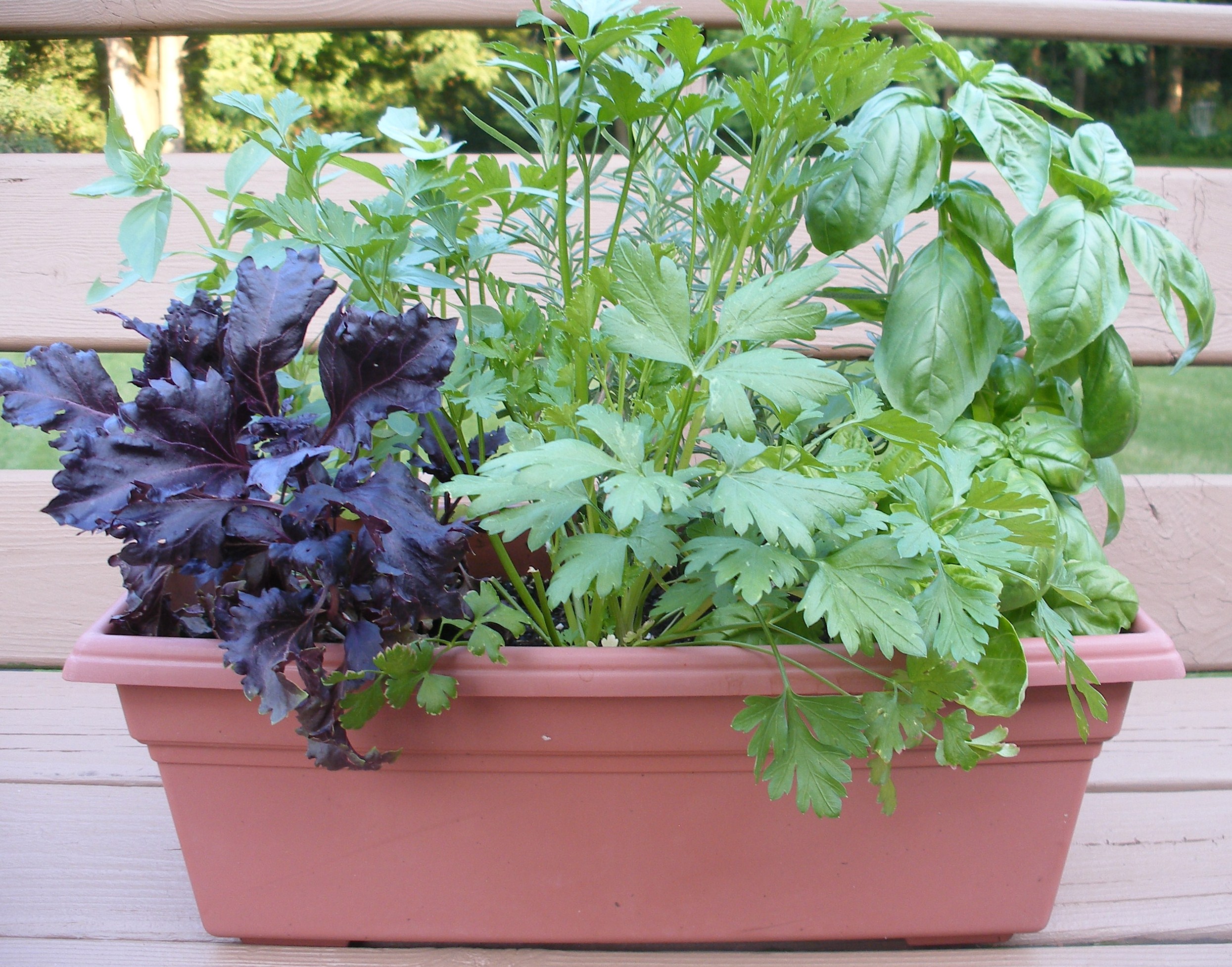
The hardest part about growing herbs is deciding which ones to grow! Surprisingly, many herbs grow with minimal care and in mediocre soil. Annuals and biennials such as; basil, cilantro, chamomile, chervil, dill, fennel, mustard and parsley can be started from seed. They can either be sown directly into the garden or grown indoors in pots and then transplanted outdoors. Seed planting can also be done with easy perennials like chives, feverfew, lemon balm and mint. For more difficult perennials such as; bay laurel, lavender, marjoram, rosemary, oregano, sage, tarragon and thyme, buy small potted plants.
Be sure to plant each herb in its optimal growing environment to get the best results.
Some of the things to consider when planting herbs:
1. Herbs need full sun with minimum of 4-6 hrs. Some herbs will tolerate partial shade.
2. Well-drained soil (very important) if you have poor drainage, add organic material to amend the soil or try a raised bed or container. They will thrive in poor soil but not soggy soil.
3. Fertilize less-herbs like average fertility with a ph of 5.5-7.0. Heavy applications can decrease the flavor and cut down on the concentration of essential oils. Add organic compost, fish emulsion or 5-10-10 fertilizer in the early spring when planting and/or when new growth starts and you should be set for most of the season.
Herbs can also be combined in containers, incorporated in flower beds or any spot in the garden. Grow your favorite culinary herbs in a container and keep it close to the kitchen door for convenient harvesting. When winter arives bring a pot of herbs indoors, place in a sunny area and enjoy!
From the reader archive
Useful reader questions
I live in NE Ohio and have successfully grown lavender here for the past 10years. Last year was an especially cold winter and I lost some hidcote, mumstead. The grasso has survived every winter. I find when we have a nice layer…
Read Susie discussioni planted an oregano plant in a container 2-3 days ago i watered and it drained well and placed it in a mostly shady spot in my yard, but it started to wilt. so i put it in my house in a…
Read laura discussionI live in central Calif., zone #9. I am attempting to grow lavender on approx. 5 acers of land. Many of my plants are doing well. However many plants have foilage that is turning brown. I think this is a watering problem.…
Read Joe F discussionPlanted a lavender plant this summer – I live in Louisville Ky. area – what do I do to protect the plant during the winter? thank you in advance for your reply – mg hailey Some lavenders are hardier than others. In…
Read Marty discussion
Planted a lavender plant this summer –
I live in Louisville Ky. area – what do I do to protect the plant during the winter?
thank you in advance for your reply – mg hailey
I live in central Calif., zone #9. I am attempting to grow lavender on approx. 5 acers of land. Many of my plants are doing well. However many plants have foilage that is turning brown. I think this is a watering problem. What should I do??
Can I plant snap dragons and other flowers in the same garden as my herbs?
.
I live in NE Ohio and have successfully grown lavender here for the past 10years. Last year was an especially cold winter and I lost some hidcote, mumstead. The grasso has survived every winter. I find when we have a nice layer of snow on the plants it helps insulate them. Rosemary is a different story. No luck surviving the winters outside but was successful last year keeping a very large plant 3-4ft tuscan blue alive. I put the pot on some syrofoam and wrapped the pot in insulation. When it was very cold, below 20 F, I put a plastic cover over the leaves which let in light but shielded the cold air. So far this winter rosemary and curry is alive in my unheated garage. I just hate to lose the Rosemary when it gets so large. My sister kept one of my plants which reached about 5ft alive in her unheated sunroom which never gets below 20 F. In the spring it goes back outside. We did this for 4 years with success. It was the mother plant for all the new babies we grow. I love to cook any type of roast with these two herbs. Gives the meat a nice flavor and fills my house with a great scent while cooking. Parsley does great here in the winter. I harvest it all winter. Just brush off the snow and I have fresh parsley whenever I want.
Hi, I have a very nice spread of lemon thyme on my flower bed which I like to upkeep. This past winter has made the plant very leggy and dry in parts. If I want to make it lush and green again, can I prune it hard and clean up the dry parts. Not sure how to go about cleaning the mess…don’t want to hurt the plant. I live in zone 8A. Thanks, Pam
i planted an oregano plant in a container 2-3 days ago i watered and it drained well and placed it in a mostly shady spot in my yard, but it started to wilt. so i put it in my house in a dark cooler corner and now its worst. what can i do? oh i forgot to mention that the plant was refrigerated before i put it in soil. it was sent to me from afar.
Wintered rosemary
I have a rosemary that turned brown after an unusually colder than average winter. I don’t think they’re dead. They’re about 3 ft. tall. Suggestions please!
Advice needed please, very confused, think we have lemon basil plant but reading about holy basil remedies, would lemon basil do the same and not really sure if it’s lemon or holy. Thanks
Spittlebug
My lemon balm has a white foam on the stems. Is this a disease?